
Thinking About Selling Your Short-Term Rental in Pinellas County?
What Airbnb and vacation rental owners should know before listing their property in today’s market..
Over the past few years, many short-term rental owners throughout Pinellas County have experienced incredible demand from vacation travelers visiting Florida’s Gulf Coast. At the same time, operating a successful Airbnb or vacation rental has also become more complex with rising insurance costs, changing regulations, increasing maintenance expenses, and the day-to-day responsibilities that come with managing guests and bookings.
Whether you’re considering cashing out on an investment, transitioning away from self-management, or simply exploring your options, selling a short-term rental property is very different from selling a traditional home.
For many buyers, they are not just purchasing the property itself — they are purchasing the income potential, operational setup, location, and future investment opportunity that comes with it.
As both a Realtor and active short-term rental owner in Pinellas County, I’ve seen firsthand what helps vacation rental properties stand out to investors and what steps owners can take to maximize value before listing.
In this guide, we’ll cover:
- what investors look for
- timing strategies
- common mistakes to avoid
- how to prepare your STR for sale
- and what can help maximize your property’s value in today’s market
Why Selling a Short-Term Rental Is Different Than Selling a Traditional Home
Selling a short-term rental property is very different from selling a traditional primary residence.
While factors like location, condition, and pricing still matter, many Airbnb and vacation rental buyers are also evaluating the property from an investment and operational perspective. In many cases, buyers are not just purchasing the home itself — they are purchasing the income potential, guest experience, operational setup, and future earning opportunity that comes with it.
For investment-focused buyers, details such as occupancy history, nightly rates, guest reviews, amenities, and even the overall guest experience can influence how valuable a property feels compared to similar homes on the market.
Unlike a traditional home sale, vacation rental buyers often pay close attention to:
- Historical Rental Performance
- Seasonality Trends
- Nearby Competition
- Pool or Outdoor Amenities
- Surrounding Neighborhood and Nearby Properties
- Parking Availability
- Beach Access
- Furnishings and Decor
- Operational Systems Already in Place
- Future Revenue Potential
A well-performing short-term rental with strong reviews, organized financials, and a proven booking history may stand out significantly more to investors than a similar property that has not been actively operating as a vacation rental.
This is also why marketing strategy matters when selling an STR property. Highlighting rental performance, operational advantages, and investor-focused features can attract a very different type of buyer than a traditional residential listing.
As both an active short-term rental owner and Realtor in Pinellas County, I’ve found that understanding the operational side of vacation rentals can play a major role in properly positioning a property for the right audience.
Timing Matters When Selling a Vacation Rental
Timing can play a major role when selling a short-term rental property, especially in seasonal beach markets throughout Pinellas County.
Unlike traditional homes, vacation rentals often operate around occupancy trends, peak travel seasons, and nightly rate fluctuations throughout the year. Because of this, the timing of a sale can impact both the seller’s rental income and the buyer’s ability to prepare for future bookings.
In many cases, the slower season between September and November can create a strategic opportunity for sellers. During this time, occupancy tends to soften slightly compared to the busy spring travel season, which can make scheduling photography, inspections, showings, and property access much easier without heavily disrupting guests.
Selling during the slower months may also help owners avoid missing out on some of the strongest rental income periods of the year. In many Pinellas County beach markets, February through April often produces some of the highest occupancy levels and average nightly rates due to seasonal tourism demand.
Listing before peak season can also benefit the next buyer. It gives the future owner time to:
- prepare the property
- make updates or improvements
- optimize pricing strategy
- build future bookings
- and position the rental before the busiest travel months arrive
Every property and owner situation is different, but understanding both the real estate market and seasonal rental patterns can help sellers make more informed decisions about timing.
As both a Realtor and active short-term rental owner in Pinellas County, I always encourage sellers to evaluate timing from both an operational and investment perspective — not just a traditional real estate perspective.
What Buyers Look for in a Vacation Rental Property
Not all short-term rental properties are viewed equally by investors.
While location remains one of the biggest factors, many buyers today are also looking closely at how well a property functions as a vacation rental and how attractive it may be to future guests.
In competitive vacation rental markets throughout Pinellas County, certain features can significantly improve both guest demand and long-term investment appeal.
Many Airbnb and vacation rental buyers pay close attention to features such as:
- Pool or outdoor entertainment space
- Walkability to the beach, restaurants, or attractions
- Parking availability
- Updated kitchens and bathrooms
- Guest-friendly layouts
- Strong occupancy history
- Positive guest reviews
- Modern coastal design and furnishings
- Low-maintenance exterior features
- Future revenue potential
- Outdoor showers, patios, or entertainment areas
- Proximity to public beach access
- Operational systems already in place
For many investors, the overall guest experience matters just as much as the property itself. Features that improve convenience, comfort, and the vacation experience can often help properties stand out in crowded rental markets.
Buyers also tend to value properties that already have proven rental momentum. Organized operations, established reviews, professional photography, and consistent occupancy can make a property feel more turnkey and attractive to out-of-state investors researching short-term rental investing opportunities in Pinellas County
In beach markets throughout Pinellas County, small details can also make a major difference. Easy parking, outdoor storage for beach gear, updated pools, durable finishes, and low-maintenance landscaping are all features that many vacation rental buyers and guests appreciate.
As both an active short-term rental owner and Realtor, I’ve seen firsthand how certain amenities and operational advantages can directly impact guest demand, nightly rates, and long-term property performance.
Continuing to Rent During the Sale Process
One of the biggest mistakes some short-term rental owners make when preparing to sell is shutting down future bookings too early.
In many cases, continuing to operate the property as a successful vacation rental during the listing period can actually help strengthen the property’s value and overall appeal to investors. Active bookings, positive guest reviews, consistent occupancy, and ongoing revenue can help demonstrate proven rental performance to potential buyers.
For many investors, seeing that a property is still actively operating successfully provides reassurance that the home has maintained guest demand and operational momentum.
At the same time, balancing showings with guest experience is extremely important throughout the sale process. Communication between the owner and Realtor plays a major role in helping everything run smoothly.
Whenever possible, showings, inspections, photography, and walkthroughs should be coordinated around:
- guest turnovers
- cleaning windows
- unbooked nights
- maintenance schedules

This helps minimize disruptions for current guests while also protecting the overall guest experience and future reviews.
In many cases, a well-coordinated strategy allows owners to continue generating rental income while still effectively marketing the property to serious buyers.
As both an active short-term rental owner and Realtor in Pinellas County, I’ve found that maintaining operational consistency during the listing process can often help preserve both booking momentum and long-term property value.
Organize Your STR Financials Before Listing
One of the most important steps when preparing to sell a short-term rental property is organizing your financial and operational information before going live on the market.
Unlike traditional homebuyers, many vacation rental investors want to evaluate how the property has actually performed as a business and income-producing asset. The more organized and transparent the information is, the easier it often becomes for buyers to understand the property’s potential.
Important documents and information may include:
- Airbnb and VRBO revenue statements
- Occupancy reports
- Average nightly rate (ADR) trends
- Cleaning and maintenance expenses
- Utility costs
- Insurance costs
- HOA fees and restrictions
- Property tax information
- Future bookings
- Local licensing or registration information
- Inventory or furnishings included in the sale
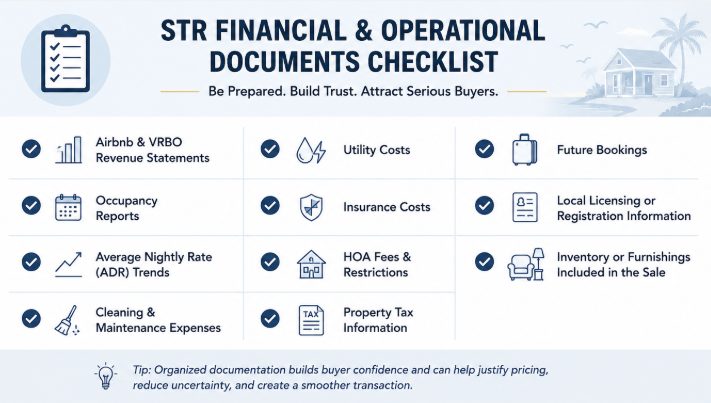
Many serious investors appreciate being able to review organized historical performance rather than trying to estimate potential income on their own.
In some cases, presenting clean financials and operational records can also help justify pricing, strengthen buyer confidence, and reduce uncertainty during negotiations.
Even simple organization can make a major difference. Clear documentation, accurate records, and realistic expectations often help create a smoother transaction process for both buyers and sellers.
As both an active short-term rental owner and Realtor in Pinellas County, I’ve found that properties with organized operations and documented performance often stand out more to experienced vacation rental buyers.
Should You Sell Your Vacation Rental Furnished?
One of the most common questions many short-term rental owners ask before listing their property is whether it makes sense to sell the home furnished.
In many vacation rental markets throughout Pinellas County, selling a property fully or partially furnished can often make the home more attractive to investment-focused buyers, especially those looking for a more turnkey opportunity.
For many out-of-state investors, furnishing a vacation rental after closing can be both time-consuming and expensive. A property that already includes guest-ready furnishings, décor, kitchen supplies, outdoor furniture, and operational essentials may help reduce setup time and allow the next owner to begin hosting guests more quickly.
In some cases, maintaining the existing setup can also help preserve:
- the overall guest experience
- marketing consistency
- professional photography
- existing branding
- booking momentum
However, every situation is different. Some sellers may prefer to remove personal items or certain furnishings, while some buyers may plan to redesign or reposition the property after purchase.
When preparing to sell a vacation rental, it’s often helpful to evaluate:
- the condition of the furnishings
- the quality of the setup
- the target buyer
- and whether the furnishings support the property’s overall value and rental appeal
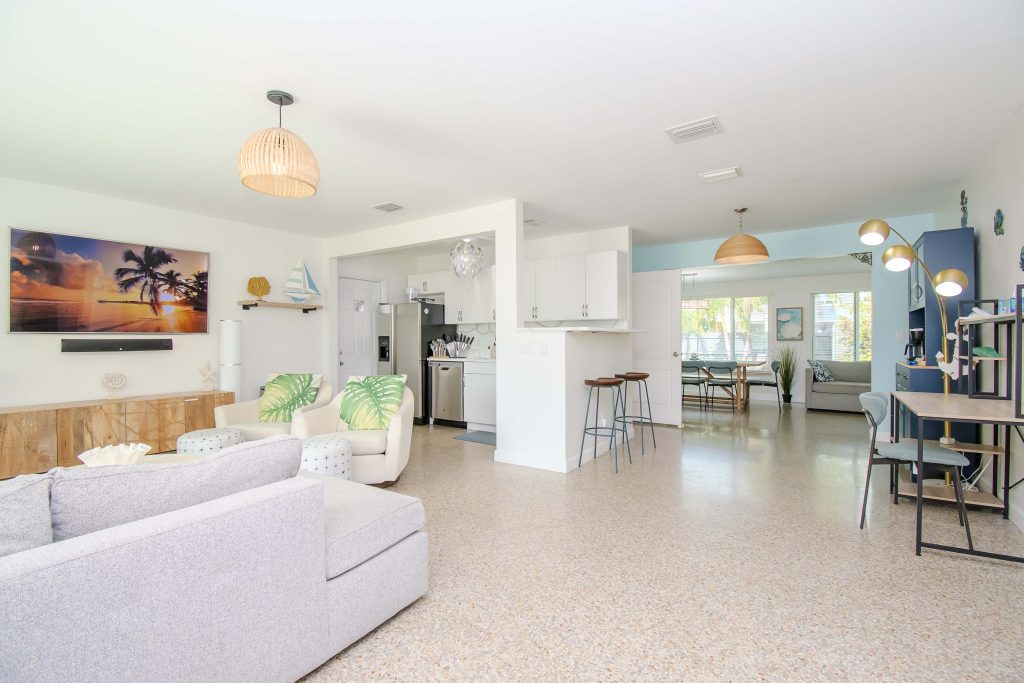
As both a Realtor and active short-term rental owner in Pinellas County, I’ve found that many buyers appreciate properties that feel operationally ready, especially in competitive beach markets where time and setup costs can impact future bookings and revenue potential.
Existing Bookings Can Add Value — But They Require a Plan
One unique aspect of selling a short-term rental property is that future reservations may continue generating income while the property is listed and under contract.
Unlike traditional home sales, active bookings can sometimes become an asset rather than an obstacle when handled correctly.
For many investment buyers, seeing an active reservation calendar, future occupancy, and continued guest demand can help reinforce confidence in the property’s performance and overall appeal.
However, reservations should be managed carefully throughout the transaction process.
Before listing, sellers should think through:
- how existing bookings will be handled
- whether reservations will remain active during showings
- expectations for honoring future reservations
- operational responsibilities during transition
- communication between all parties involved
Depending on the platform and transaction structure, transferring reservations may not always be straightforward, so sellers should discuss expectations early with their Realtor and closing professionals.
💡 Seller Tip
Discuss future reservation expectations before accepting an offer. Clear communication early can help preserve booking momentum, minimize guest disruptions, and create a smoother transition for both buyers and sellers.
Every transaction is different, but having a clear strategy early in the process can help reduce surprises and create a smoother experience for both buyers and guests.
In some situations, maintaining future reservations through closing may help preserve occupancy and reduce downtime. In other cases, a buyer may prefer more flexibility after taking ownership. Setting expectations upfront is often the best approach.
As both an active short-term rental owner and Realtor in Pinellas County, I’ve found that early communication and operational planning can make a major difference in preserving both guest experience and booking momentum throughout the sale process.
The goal should not simply be to sell the property, it should be to create a smooth transition that protects the value the rental has already built.
Common Mistakes STR Owners Make Before Selling
Preparing a short-term rental for sale often involves more than simply taking photos and putting the property on the market.
Over the years, I’ve noticed a few common mistakes that can make it harder for sellers to attract serious buyers or maximize the value of their vacation rental.
Shutting Down Reservations Too Early
Some owners stop accepting bookings as soon as they decide to sell.
While every situation is different, completely shutting down occupancy too early can sometimes reduce visible performance history and make it harder for investors to evaluate ongoing demand.
Maintaining operational momentum when possible may help strengthen buyer confidence.
Removing Furnishings Too Soon
Vacation rental buyers often want to visualize how the property operates.
Removing furniture, décor, outdoor amenities, or guest-ready features too early can make a successful rental feel incomplete and reduce the appeal of a turnkey opportunity.
Not Organizing Financial Records
Many investors want to understand historical performance.
Disorganized revenue reports, missing occupancy data, or incomplete expense tracking can create uncertainty and make underwriting more difficult.
Delaying Small Repairs
Deferred maintenance can become more noticeable during showings.
Simple items such as paint touch-ups, landscaping, pool maintenance, lighting, and cosmetic updates may have an outsized impact on presentation.
Pricing Based on Emotion Instead of Market Conditions
Many owners naturally have emotional attachment to a property, especially if they built the business over time.
However, buyers will often evaluate current market conditions, operating costs, competition, regulations, and investment potential.
Marketing to Traditional Buyers Instead of Investors
Short-term rental properties often require different positioning than a traditional residential listing.
Rental history, operational systems, amenities, and future opportunity may be just as important as square footage and finishes.
Selling a vacation rental successfully often comes down to preparation, presentation, and understanding what the next buyer values most.
As both a Realtor and active short-term rental owner in Pinellas County, I’ve found that thoughtful preparation before listing can often create a smoother sale process and stronger buyer interest.
Is Now a Good Time to Sell an Airbnb Property in Pinellas County?
There’s no one-size-fits-all answer when it comes to deciding whether to sell a short-term rental property.
The right timing often depends on a combination of personal goals, property performance, market conditions, operating costs, and long-term investment strategy.
Over the past few years, many vacation rental owners throughout Pinellas County have experienced both opportunities and challenges. Strong tourism demand continues to support many beach markets, while rising insurance costs, maintenance expenses, property taxes, and operational complexity have caused some owners to reevaluate their plans.
At the same time, many investors continue to actively search for properties that already demonstrate strong rental potential and operational readiness.
Owners may consider evaluating questions such as:
- Is the property still meeting your financial goals?
- Are operating costs increasing faster than revenue?
- Has self-management become more time intensive?
- Would another investment align better with your long-term plans?
- Does the property still fit your lifestyle goals?
- Are future capital improvements approaching?
For some owners, holding may still make the most sense.
For others, selling may create an opportunity to:
- redeploy equity
- simplify operations
- transition into a different market
- or pursue new investment goals
The goal should not be trying to perfectly time the market.
Instead, the goal should be understanding your options and making a decision that aligns with both your financial and personal objectives.
As both an active short-term rental owner and Realtor in Pinellas County, I encourage owners to evaluate vacation rentals not only as real estate, but also as operating businesses and long-term investments.
Why Work With an STR-Focused Realtor?
Selling a short-term rental property often involves much more than pricing a home, taking photos, and putting it on the market.
Vacation rentals operate differently than traditional residential properties. Existing reservations, seasonality, occupancy trends, guest experience, operational systems, local considerations, and investment expectations can all influence how a property is positioned and marketed.
But beyond marketing the property itself, one of the biggest advantages of working with someone familiar with the short-term rental space is understanding the questions serious buyers are likely to ask.
Many investment buyers are evaluating more than bedrooms and square footage. They often want to understand topics such as:
- whether short-term rentals are allowed in the area and what local requirements may apply
- what registration processes may apply
- licensing requirements where applicable
- occupancy standards and local considerations
- ownership or community restrictions
- operating expectations and setup requirements
- revenue potential and seasonality
- what happens after closing to prepare for guests
Helping buyers understand where to begin — and helping sellers prepare for those conversations — can often create more confidence and a smoother transaction experience.
While every city, property, and buyer situation is different, understanding how to position a vacation rental and answer common investor questions can make a meaningful difference during the sale process.
As both an active short-term rental owner and Realtor in Pinellas County, I’ve personally navigated many of the same questions investors ask when evaluating opportunities and work to help buyers feel informed as they move through the process.
That includes:
- managing bookings and turnovers
- understanding occupancy and ADR trends
- balancing guest experience during showings
- discussing investor expectations
- understanding common vacation rental considerations
- preparing properties to maximize buyer appeal
- helping sellers anticipate common STR questions
- connecting buyers with information to help them plan for ownership
I aim to help owners understand their options, evaluate opportunities, and build a strategy that aligns with both their financial goals and long-term plans.
Whether someone is ready to list now or simply exploring possibilities for the future, having a conversation early can often help create a clearer path forward.
Thinking About Selling Your Vacation Rental?
Whether you’re actively considering selling or simply exploring your options, understanding your property’s position in today’s market can help you make more informed decisions.
I’m happy to have a conversation focused on:
✓ Market positioning
✓ Vacation rental performance
✓ Investor appeal
✓ Timing considerations
✓ Local market insight
✓ Opportunities to maximize value
There’s no pressure and no obligation — sometimes the best outcome is simply creating a plan.
If you’d like to talk through your property, I’d be happy to help.
Written by Ahmed Omran
Pinellas County Realtor®, active short-term rental owner, and vacation rental investor helping buyers and sellers navigate STR opportunities.

Coldwell Banker - Belleair
© 2025 Coldwell Banker Real Estate LLC
© Coldwell Banker 2023 – 2024. All Rights Reserved. Coldwell Banker and the Coldwell Banker logo are trademarks of Coldwell Banker Real Estate LLC. The Coldwell Banker® System is comprised of company owned offices which are owned by a subsidiary of Anywhere Advisors LLC and franchised offices which are independently owned and operated. The Coldwell Banker System fully supports the principles of the Fair Housing Act and the Equal Opportunity Act.
