
 Facebook
 X
X
 Pinterest
 Copy Link
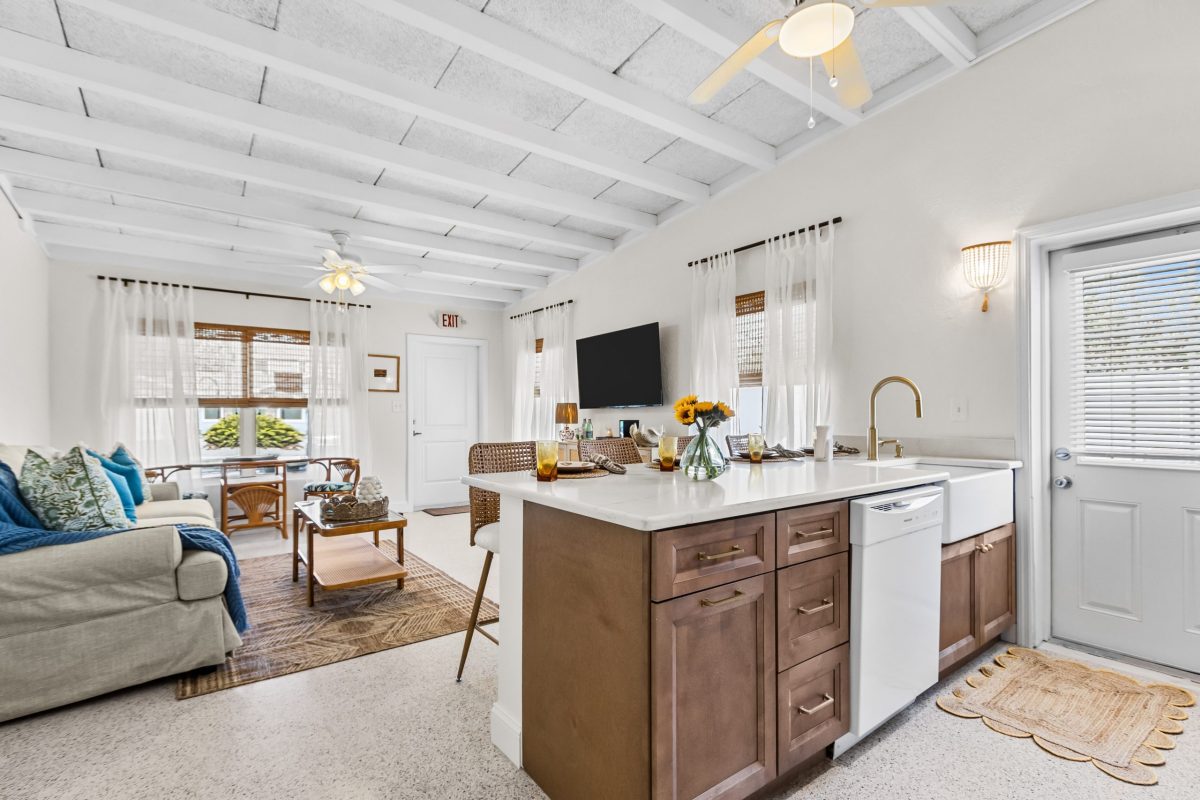
Buying a short-term rental property in Pinellas County can be a great investment—but only if you choose the right property in the right location.
Many first-time investors underestimate how much local rules, zoning, and property selection impact performance.
In this guide, you’ll learn exactly how to buy a short-term rental in Pinellas County—and why some STR investments fail.
Step 1: Understand Short-Term Rental Rules in Pinellas County
Before purchasing any property, it’s important to understand that short-term rental rules vary depending on the city and zoning.
Some areas allow vacation rentals, while others have restrictions or require specific approvals.
In most cases, investors will need to:
• Register with the state (DBPR)
• Register with the local city or county
• Complete safety inspections (if required)
• Pay registration and licensing fees
STR Rules in Pinellas County Florida: What Investors Need to Know
Step 2: Choose the Right Location
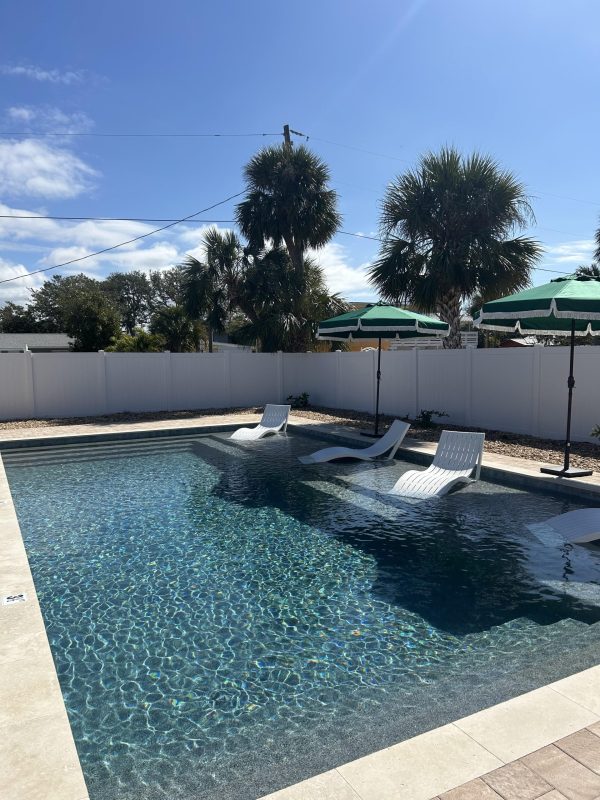
Location is one of the biggest factors in STR success.
Popular areas in Pinellas County include:
• Indian Rocks Beach
• Clearwater Beach (designated areas)
• Largo
• Unincorporated Pinellas (Seminole, Largo, St. Pete)
Each area has different rules, price points, and income potential.
Best Areas for Short-Term Rentals in Pinellas County Florida
Step 3: Analyze Income Potential
Before making an offer, it’s important to understand:
• Average nightly rates
• Occupancy trends
• Seasonal demand
• Expenses (cleaning, utilities, management)
Tools like AirDNA/ Pricelabs and real-world data can help estimate performance.
How Much Can a Short-Term Rental Make in Pinellas County Florida?
Step 4: Evaluate the Property Itself
Not every home works well as a short-term rental.
Look for:
• Proximity to the beach or attractions
• Pool or outdoor space
• Parking availability
• Layout that accommodates guests
Properties designed for guests tend to perform better.
Why Some Short-Term Rentals Fail
Not every short-term rental investment performs well and most failures come down to a few key mistakes.
Buying in the Wrong Area
Not all locations allow short-term rentals, and some have strict limitations that reduce income potential.
Overestimating Income
Many investors assume peak-season numbers year-round, leading to unrealistic expectations.
Underestimating Expenses
Costs like maintenance, insurance, and utilities add up quickly.
Ignoring Regulations
Failing to understand licensing, registration, and inspections can lead to fines or shutdowns.
Poor Setup or Management
Low-quality photos, bad pricing strategy, or poor guest experience can hurt occupancy and reviews.
Want a Breakdown of STR Investing in Pinellas County?
If you’re serious about investing in a short-term rental, understanding the full picture before buying is critical.
Request the Pinellas County Short-Term Rental Investment Guide to learn:
• Best areas
• Local rules
• Income considerations
• What to look for before buying
👉Request the Pinellas STR Guide
Work With a Local STR Realtor
Buying a short-term rental is different from a traditional purchase.
As a Pinellas County Realtor and active short-term rental investor, I help buyers:
• Identify STR-friendly areas
• Understand local regulations
• Analyze potential income
• Avoid costly mistakes
Not every property works as a short-term rental, and selecting the right one from the beginning can significantly impact both income and long-term value. If you’re currently exploring short-term rental opportunities in Pinellas County, I’d be happy to help you evaluate properties and determine what makes the most sense based on your goals.
Ahmed Omran
Pinellas County Realtor & Short-Term Rental Investment Specialist
Updated for 2026